-
How to identify Amarone della Valpolicella from Veneto in a blind wine tasting?
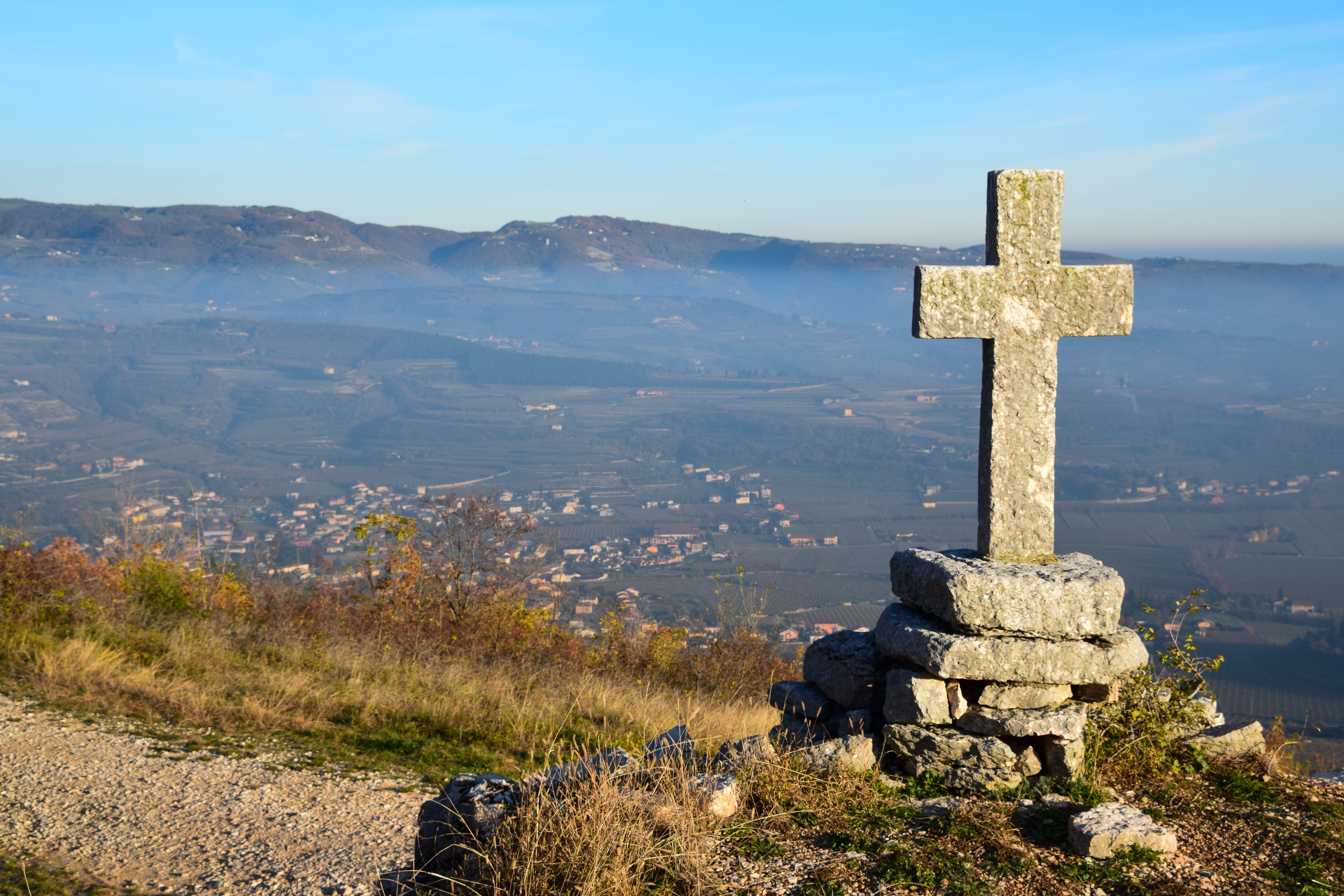
Amarone della Valpolicella is widely considered as a classic wine style based on several different grape varieties. Most commonly a blend of Corvina and / or Corvinone (45% – 95%) Rondinella (5%-30%) (Harding, J., Robinson, J. and Thomas, T.Q., 2023). Other registered varieties (max 10% of each variety in the blend) within the Province of…
-
How to identify Sauvignon Blanc from Loire Valley in a blind wine tasting?

About Sauvignon Blanc from Loire Valley The Loire Valley in France encompasses approximately 60,000 ha of vines. We specifically focus here on the appellations featuring Sauvignon Blanc as a main variety e.g. Sancerre (~3.000 ha) Pouilly-Fumé (~1.400 ha) Menetou-Salon (~650ha) (Source: Vins-centre-loire.com, 2023). In this article, we are going to focus on the aroma and…
-
How to identify Marsanne & Roussanne from the Northern Rhône in a blind wine tasting?
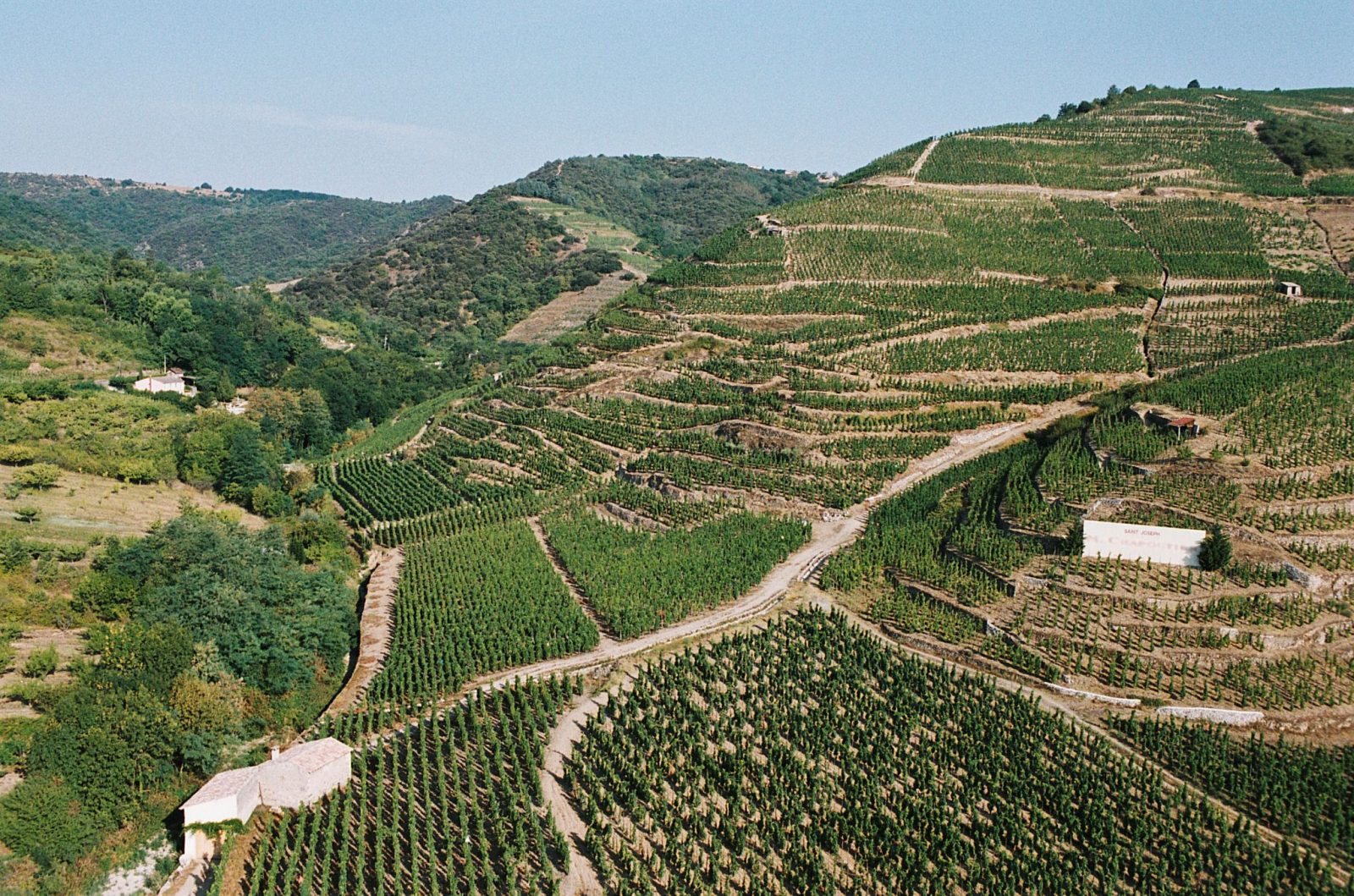
About Marsanne & Roussanne from the Northern Rhône Marsanne’s origin is believed to be in the Rhône valley but not proven as of yet. Its close relative, Roussanne, shares the same question mark about its origin but both varieties strive and prosper predominately in the Northern Rhône valley. Total plantings in France (as per 2019…
-
How to identify Viognier from Northern Rhône in a blind wine tasting?
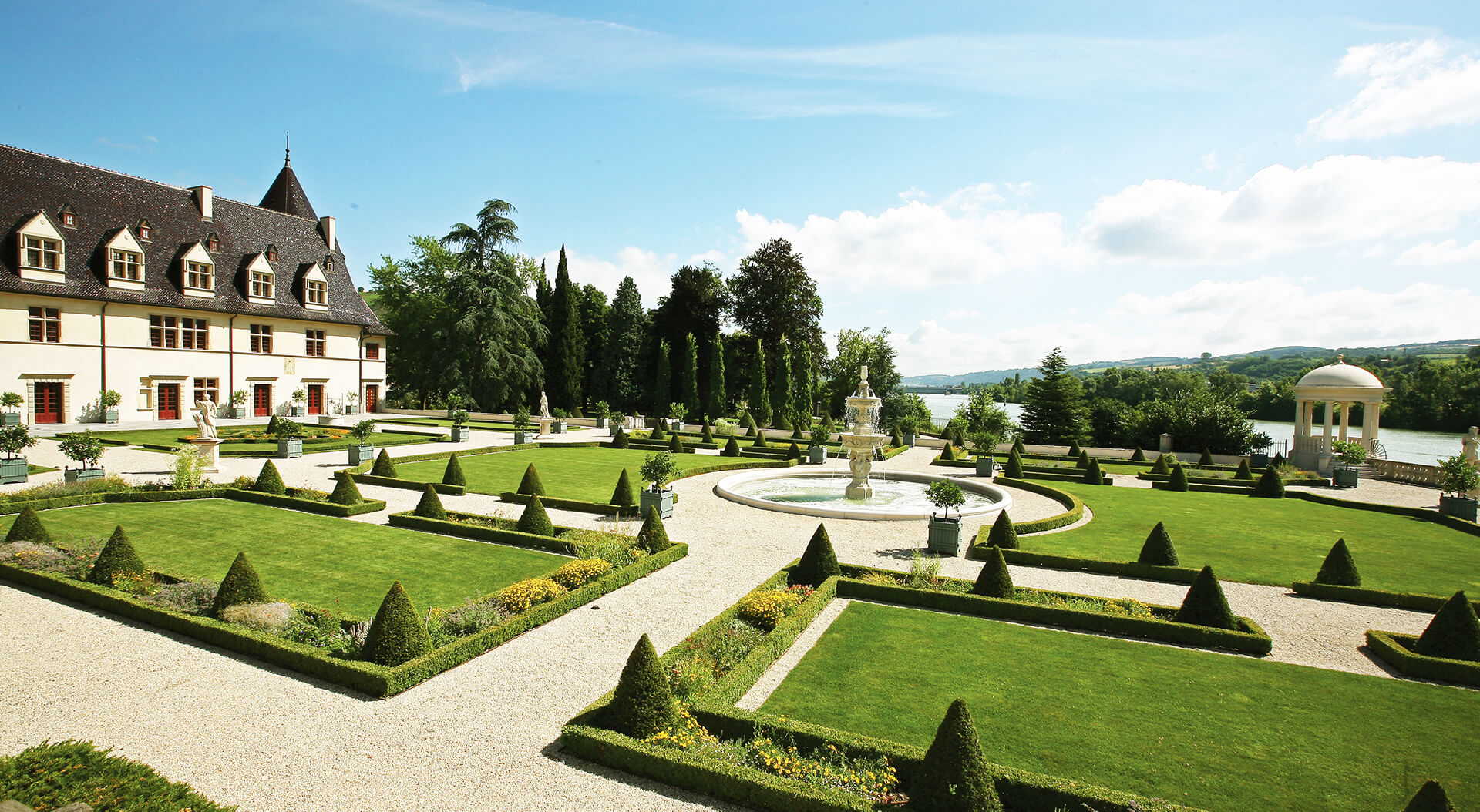
About Viognier from Northern Rhône Viognier is the most widely planted white variety in the Northern part of the Rhône valley (2620 hectares in 2023) according to Vins Rhone. It almost became extinct in the 1960s with a mere 28 hectares present. The courage of some Condrieu producers, most notably Georges Vernay, saved the variety…
-
How to identify Riesling from Alsace in a blind wine tasting?

About Riesling from Alsace Alsace on the eastern border of France boost a total of ~15600 hectares of which approximately 1/5 is dedicated to Riesling (21% by 2019) – (Harding et al., 2023). This aromatic variety finds ideal growing condition on various soils and exposures. Hugel‘s Schoelhammer, Trimbach‘s Clos Saint Hune and Zind Humbrecht‘s Clos…
-
How to identify Gewurztraminer from Alsace in a blind wine tasting?
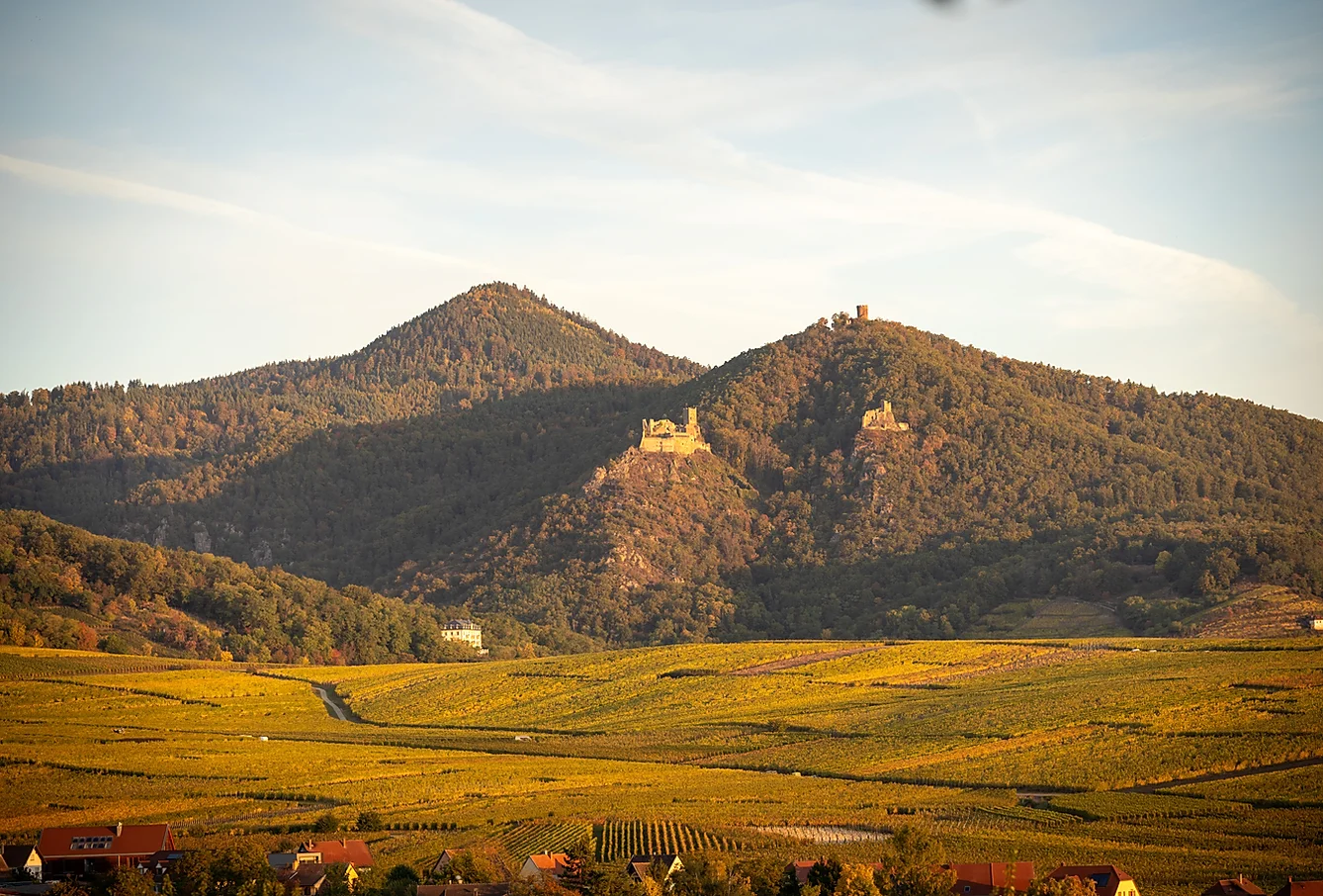
About Gewurztraminer from Alsace Gewurztraminer is the aromatic mutation of Savagnin Rose and maybe the best known with the Savagnin family tree. First mentioned in the village of Oppenheim, which is now within the Rheingau region in Germany. A variety that is particularly prone to virus diseases, hence there are 8 specifically bred virus-free version…
-
How to identify sweet Chenin Blanc from Loire Valley in a blind wine tasting?

Chenin Blanc was first mentioned in the 9th century. Its origin is widely acknowledged to be in the Loire valley, Anjou to be precise, but to this date hasn’t been fully confirmed. (Robinson et al., 2012) Noticeable high in acidity it produces a range of different styles including, dry and off dry examples, sparkling and…
-
How to identify dry or off dry Chenin Blanc from Loire Valley in a blind wine tasting?
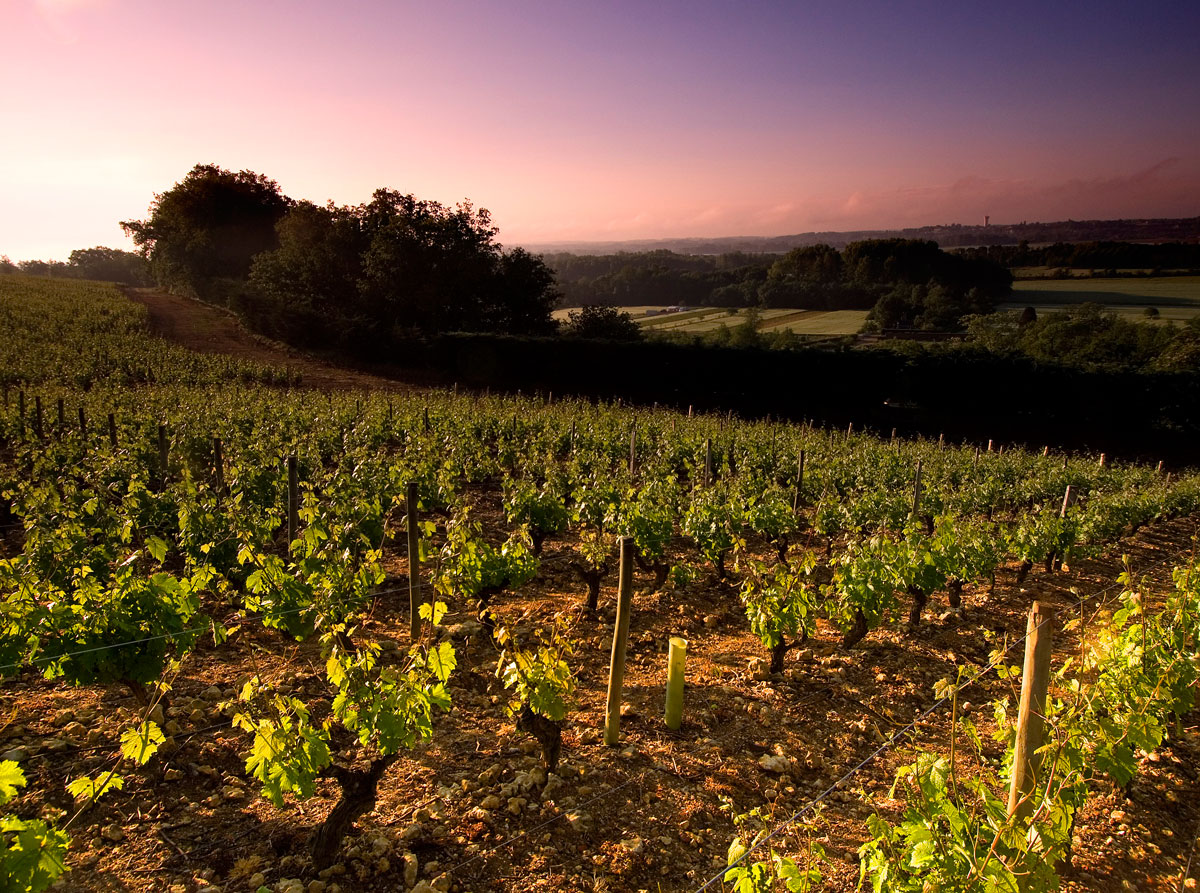
The European stronghold of Chenin Blanc is the Loire Valley in France with 10,362 hectares – (Harding et al., 2023). Outside of its ancestral home it is widely planted in South Africa with 17,147 hectares, where it is grown all over the Western Cape in various different styles. Praised for its naturally high acidity it…
-
How to identify Sangiovese in a blind wine tasting?

Sangiovese (68,428 hectare in 2015, (Harding et al., 2023)) is the most planted red grape variety in Italy and almost exclusive grown there. Noticeable examples are made in Canada, USA and Australia. In this article, we are going to cover the common characteristics of the 3 Sangiovese styles – Chianti Classico, Riserva & Gran Selezione…
-
How to identify Zinfandel from California in a blind wine tasting?

Zinfandel is a classic grape variety, commonly found in California. In this article, we are going to look at the characteristics of Zinfandel based on classic examples (see disclaimer below for more information of what is considered as classic), following a structure commonly used by wine institutions like Court of Master Sommeliers (COMS) and Wine…
