
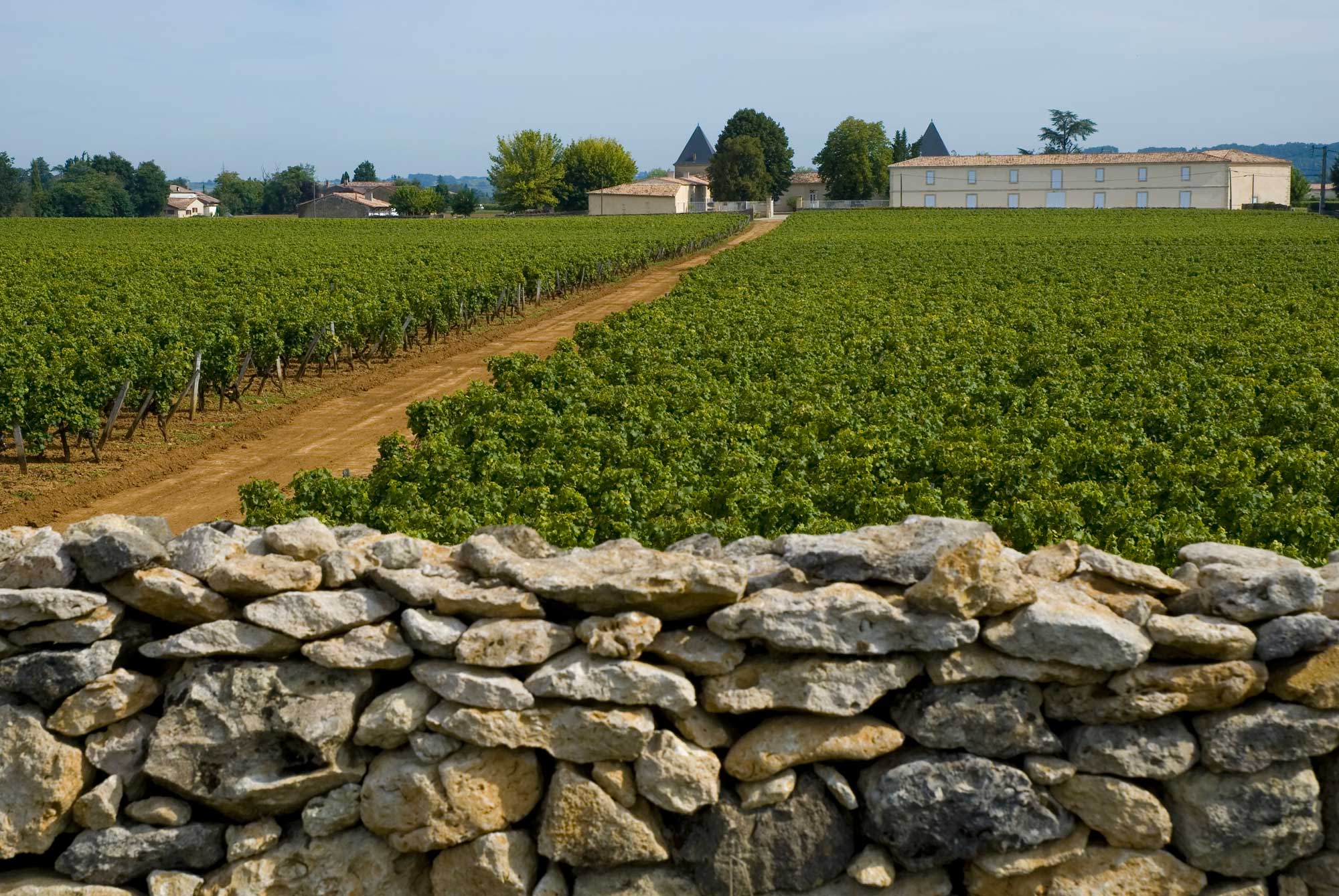
Sauternes has approximately 1,930 hectare (Harding et al., 2023) and is one of the most world-renowned sweet wines, made from several different grape varieties.
In the majority of cases Semillon is taking the lead at around 80% of total plantings (Harding et al., 2023) or sole role. Sauvignon Blanc & Gris and Muscadelle are often used as blending partner, very rarely seen on its own.
Commonly used names and synonyms for Muscadelle are Sauvignon Vert (California) and Tokaj/Topaque (Victoria in Australia) – (Robinson et al., 2012)
In this article, we are going to dive into the flavour profile of Sauternes, following a structure commonly used by wine institutions like Court of Master Sommeliers (COMS) and Wine & Spirit Education Trust (WSET). We will also look at how does it compare to other popular sweet wine like Tokaji.

Legal requirements
- ABV: Minimum 12%
- Residual sugar:
- Minimum 221g/L in the must
- Minimum 45g/L in the finished wine
- The majority sits around 100-180g/L
- 5 communes: Sauternes, Barsac, Bommes, Preignac, Fargues

Classic examples
Château Coutet, Château Climens, Château Suduiraut, Château Rieussec, Lafaurie Peyraguey (from 2012 onwards), Château Doisy Daëne and many more

Appearance
Youthful examples: Bright to star bright/ brilliant intensity with golden reflections
More matured examples: Bright with golden/ amber highlights

Aromas and flavours
Overall: Intense and perfumed style
Fruits: Sweet candied lemon/ orange peel (marmalade like), ripe to overripe apple/ pear/ quince – sometimes backed, tropical fruit – mango, pineapple, papaya
Floral: can have a floral character if Muscadelle is in the blend
Others: Saffron, honey, ginger and butterscotch and/or caramel, Botrytis character, white chocolate

Sweetness
Sweet

Acidity
Moderate
Volatile acidity is often noticeable (gaseous acids)

Alcohol
Medium plus to high – min. 12% ABV

Body
Full bodied – oily mouthfeel due to elevated alcohol and residual sugar

Comparison to others
Tokaji Aszú
Higher in acidity, lower perceivable and detectable alcohol. In general sweeter tasting and a brighter appearance
Often more mandarin and peach note and sweet almond/ marzipan flavour

What makes it unique
The combination of tropical and ripe to overripe citrusy note paired with spicy (often oak derived) note
Noticeable botrytis influenced with honey, saffron and waxy note. Higher amount of detectable volatile acidity is common.
Noticeable higher alcohol than other sweet wine

Stefan Neumann MS
Austrian born, London based Master Sommelier – I am passionate about wine and a strong believer that wine should connect people. Hence I have made it my mission to share my wine knowledge and experience with like-minded individuals who would like to be part of this journey.
References:
Jancis Robinson, Harding, J. and Vouillamoz, J. (2012). Wine grapes : a complete guide to 1,368 vine varieties, including their origins, flavours and wines. London: Penguin.
Harding, J., Robinson, J. and Thomas, T.Q. (2023) The Oxford Companion to Wine. Oxford: Oxford University Press.
- How to identify Amarone della Valpolicella from Veneto in a blind wine tasting?
- How to identify Sauvignon Blanc from Loire Valley in a blind wine tasting?
- How to identify Marsanne & Roussanne from the Northern Rhône in a blind wine tasting?
- How to identify Viognier from Northern Rhône in a blind wine tasting?
- How to identify Riesling from Alsace in a blind wine tasting?