

About Riesling from Alsace
Alsace on the eastern border of France boost a total of ~15600 hectares of which approximately 1/5 is dedicated to Riesling (21% by 2019) – (Harding et al., 2023). This aromatic variety finds ideal growing condition on various soils and exposures. Hugel‘s Schoelhammer, Trimbach‘s Clos Saint Hune and Zind Humbrecht‘s Clos St. Urbain from Rangen de Thann have cult status amongst collectors.
For the more classic and widely seen examples producers often choose to block malolactic fermentation (conversion) to preserve its crisp and fresh acidity levels. Precisely this piercing acidity is often a give away for its origin and is considered widely as a recognisable feature.
In this article, we are going to focus on the aroma and flavour profile of Riesling, following a structure commonly used by wine institutions like Court of Master Sommeliers (COMS) and Wine & Spirit Education Trust (WSET). We will also compare it with other grape varieties and call out what makes Riesling unique.

Appearance

Colour – Pale to medium straw

Hue – Golden

Brightness – Bright to brilliant (age dependent)

Viscosity – Medium +

Aromas and flavours
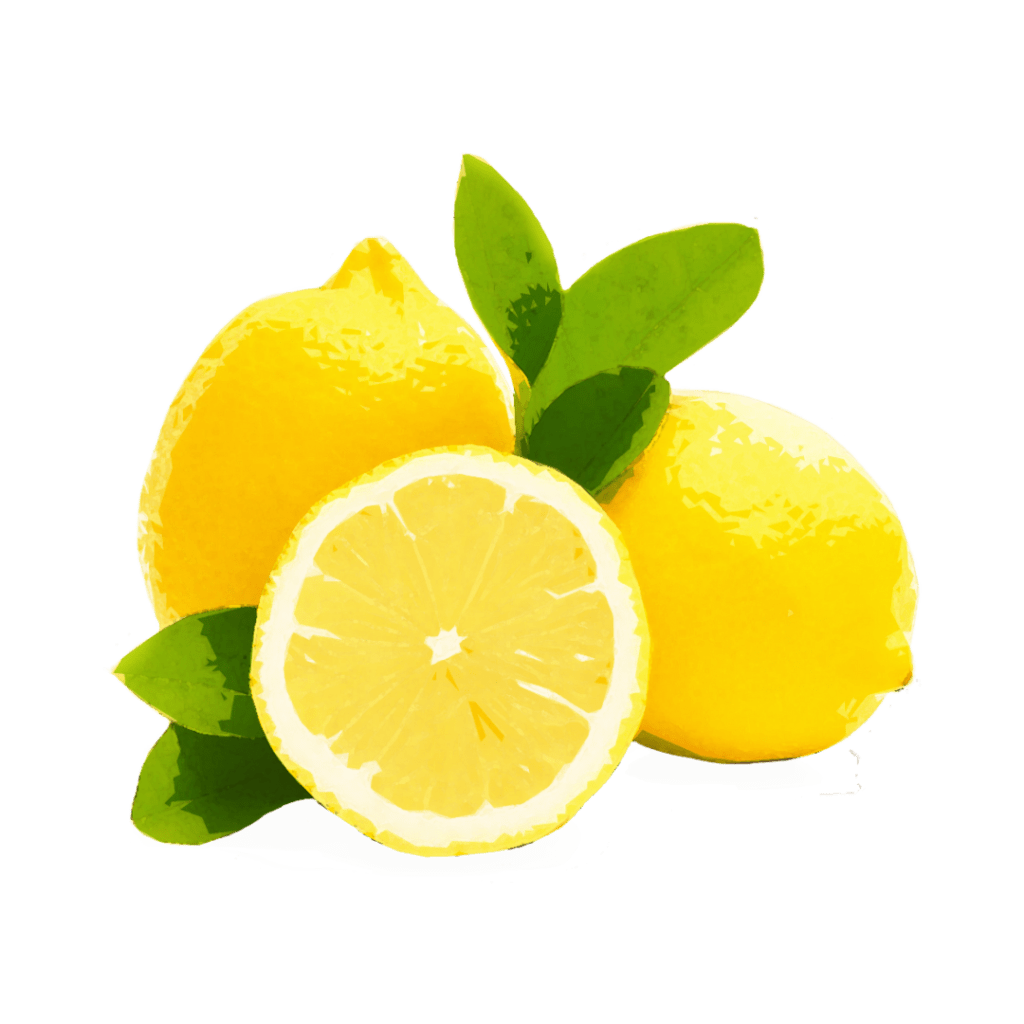
Citrus
Lemon (fresh, zesty or tart), lemon (ripe to overripe, candied zest or peel), lime
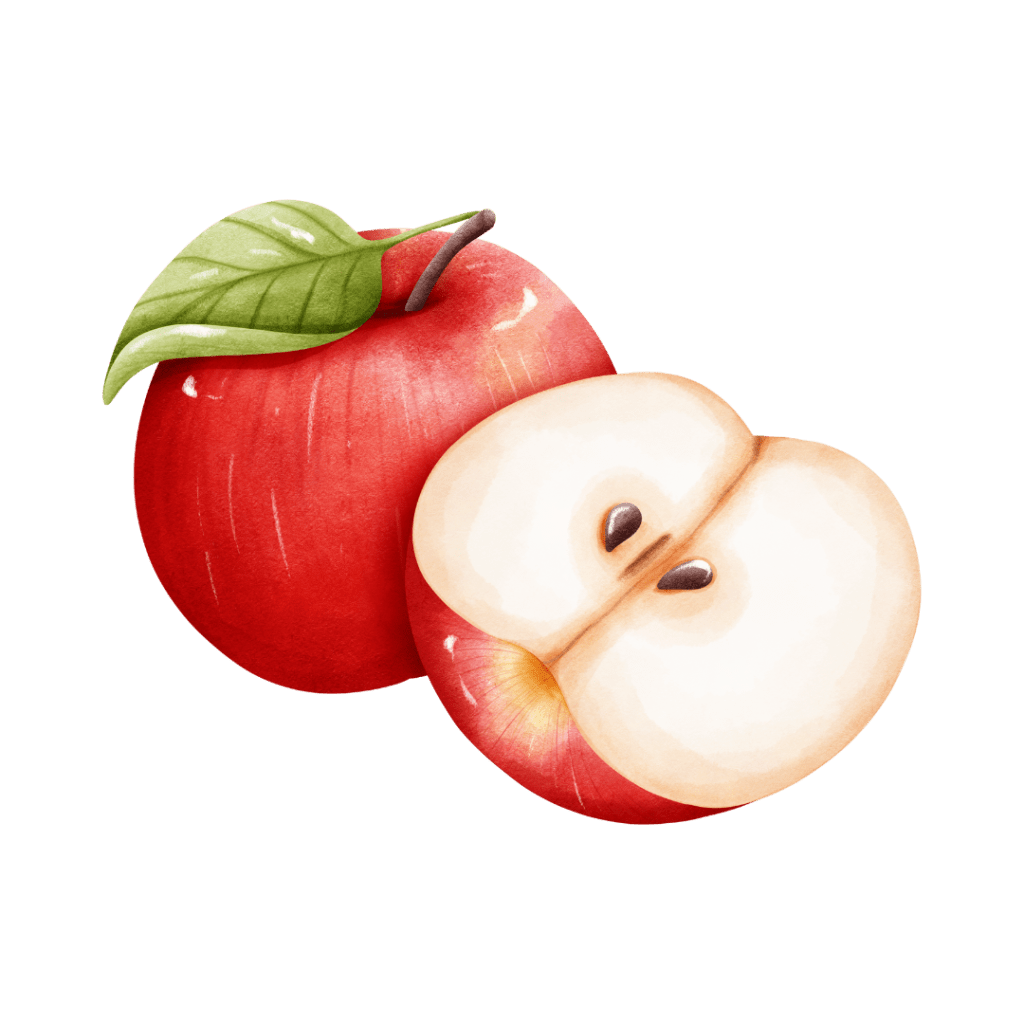
Orchard
Green/ yellow/ golden apple

Stone
White peach, nectarine
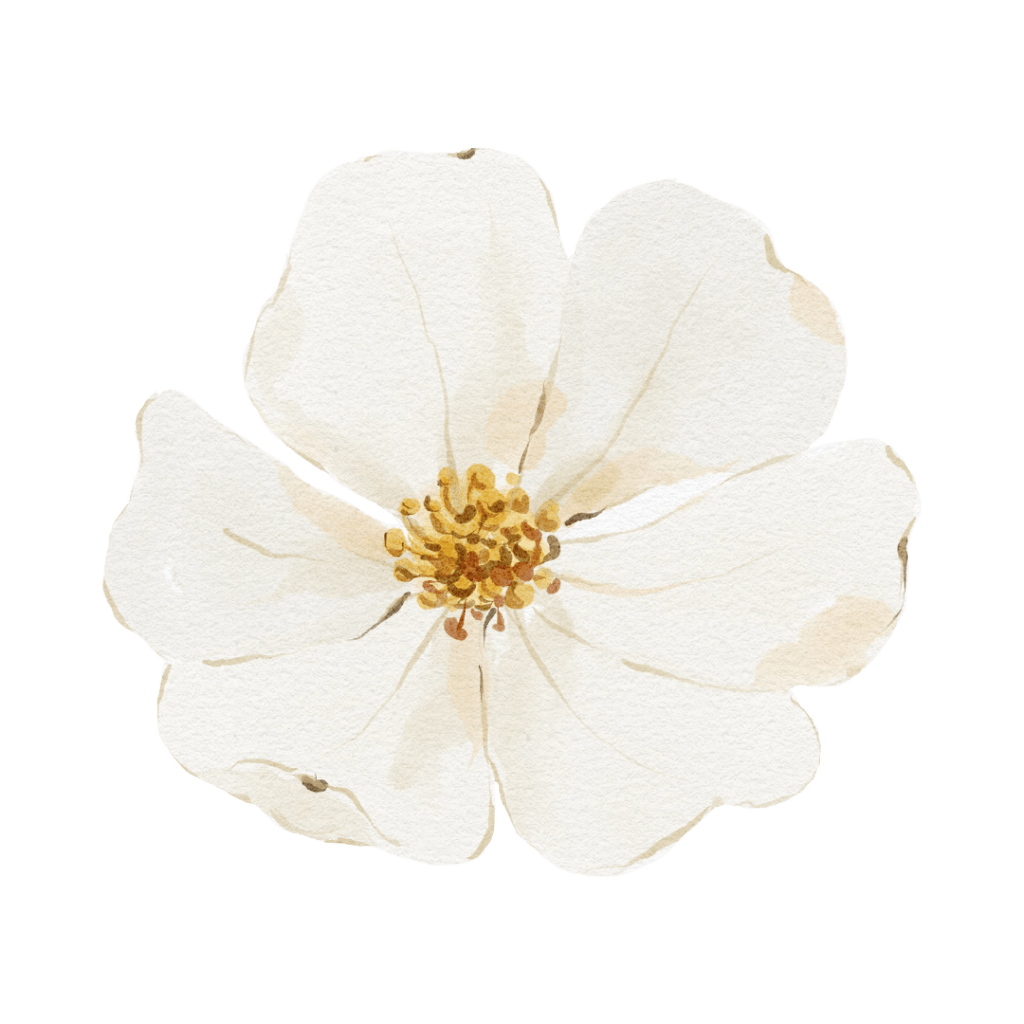
Floral
White flower, dried white flower

Blossom
Lemon blossom, orange blossom
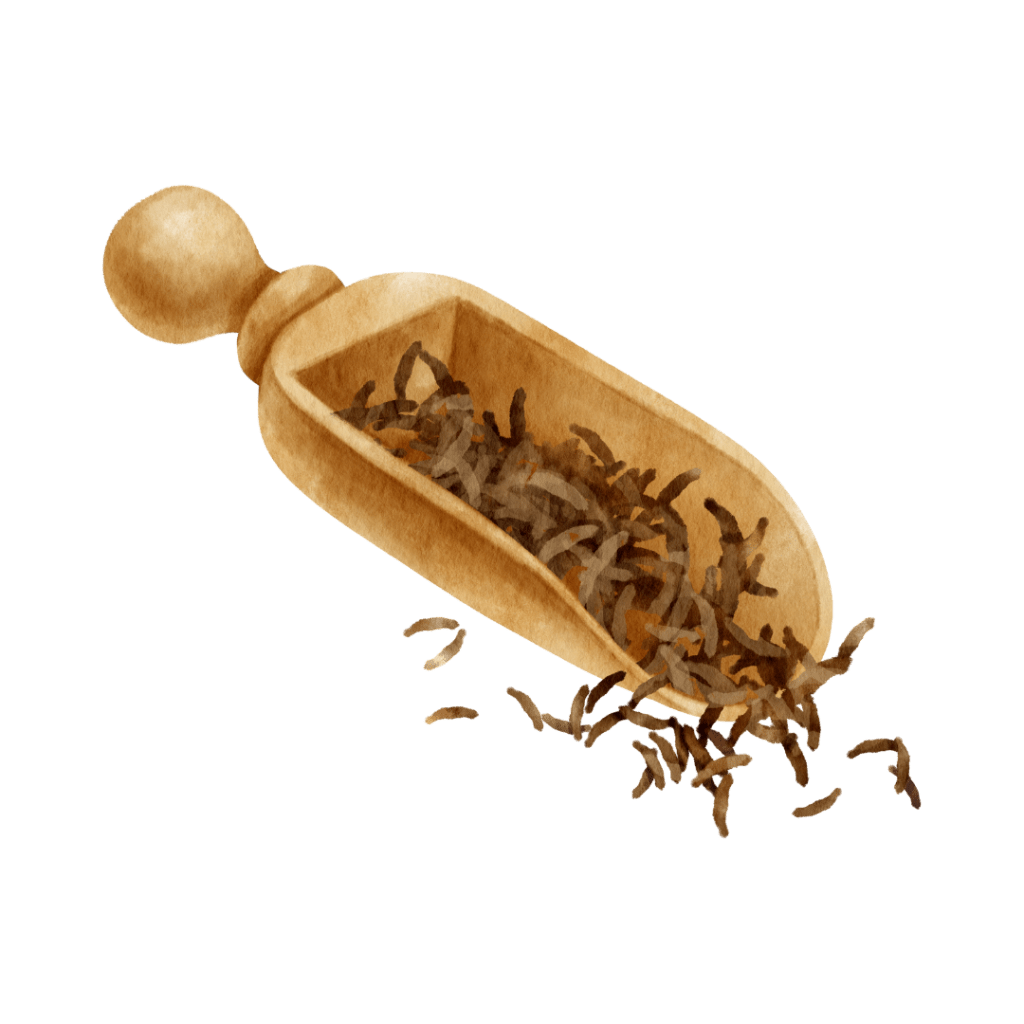
Tea
Green tea, white tea

Organic
Löss/ sandstone/ slit/ mica, granite, often mineral pronounced notes

Others
Honey, gingerbread
Oak
Older/ Neutral vessels

Sweetness
Dry – however it can be difficult to detect. See legal requirements for why

Acidity
Medium + to high

Alcohol
Medium plus – high 13% -14.5% and higher. Due to the freshness and high acidity level, it is difficult to detect

Body
Medium bodied – often has an oily texture

Comparison to others
Chenin Blanc from Loire
- Can boost an equally high acidity
- Chenin often has a strong fruit focus on orchid fruits with the likes of yellow apple and pear taking the lead
Riesling from Wachau – e.g. Smaragd
- Yends to be richer, more concentrated and riper
- Some styles will have evidence of botrytis


What makes it unique
- Its linear, precise and floral quality
- The high natural acidity level (blocked MLF)
- Strong presence of citrusy aromas paired with a strong mineral driven backbone
- Positively bitter, with a slight phenolic textural feel, and frequently balanced by a note of honey

Legal requirements
Alsace Wine Growing Association (AVA) states that from 2021 vintage onwards, Alsace Riesling may have a maximum of 9g/l residual sugar, but total acidity must be 7g/l. For 8g/l of residual sugar, total acidity cannot be lower than 6g/l, and so on. (Source: Decanter)

Stefan Neumann MS
Austrian born, London based Master Sommelier – I am passionate about wine and a strong believer that wine should connect people. Hence I have made it my mission to share my wine knowledge and experience with like-minded individuals who would like to be part of this journey.
References:
Harding, J., Robinson, J. and Thomas, T.Q. (2023) The Oxford Companion to Wine. Oxford: Oxford University Press
Kakaviatos, P. (2022). Alsace Riesling must be ‘dry’, says wine body proposal. [online] Decanter. Available at: https://www.decanter.com/wine-news/alsace-riesling-must-be-dry-says-wine-body-proposal-476969/
- How to identify Amarone della Valpolicella from Veneto in a blind wine tasting?
- How to identify Sauvignon Blanc from Loire Valley in a blind wine tasting?
- How to identify Marsanne & Roussanne from the Northern Rhône in a blind wine tasting?
- How to identify Viognier from Northern Rhône in a blind wine tasting?
- How to identify Riesling from Alsace in a blind wine tasting?