
Amarone della Valpolicella is widely considered as a classic wine style based on several different grape varieties. Most commonly a blend of Corvina and / or Corvinone (45% – 95%) Rondinella (5%-30%) (Harding, J., Robinson, J. and Thomas, T.Q., 2023). Other registered varieties (max 10% of each variety in the blend) within the Province of Verona are allowed; mainly – Oseleta (used by Tedeschi), Croatina (used by Dal Forno), Cabernet Sauvignon (used by Quintarelli) and Nebbiolo (used by Quintarelli).
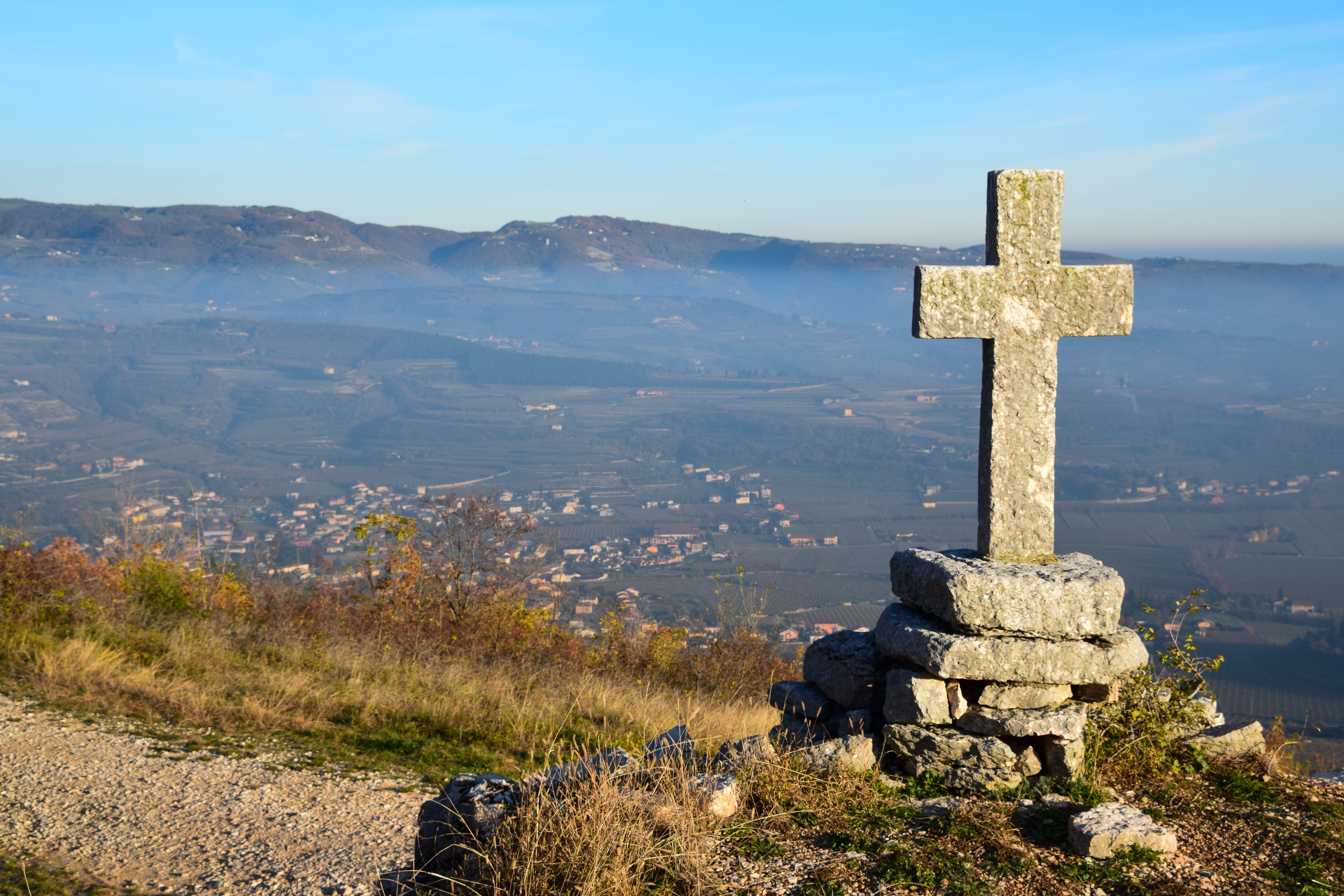
Amarone della Valpolicella is being produced within the Valpolicella area in Veneto region. The name of Valpolicella translates apparently to “valley of many cellars”. This area is large and varied in terms of altitude, exposure and soil. The Classico area with approximately 3,500 hectares is widely considered to be the prime spot for high quality wine production. Having said that, excellent examples are found outside of this area, and several producers are owning vineyards within and outside of the Classico area (Valpolicella, 2021).
Single vineyards are present but not particularly common. The first single vineyard Amarone della Valpolicella was from the Monte Olmi vineyard which is owned by the Tedeschi family and had its inaugural vintage in 1964.
In this article, we are going to cover the common characteristics of Amarone della Valpolicella based on classic examples, following a structure commonly used by wine institutions like Court of Master Sommeliers (COMS) and Wine & Spirit Education Trust (WSET). We will also highlight the differences between Sangiovese and other varieties and what makes it unique.

Appearance

Colour – Deep ruby red

Concentration – Opaque

Rim variation – Brown

Hue – Brown

Viscosity – High with slow moving tears

Aromas and flavours
Summary – Dried fruit aromas are most common, they are frequently in combination with the overripe to slightly jammy notes.

Red fruits
Ripe to overripe – raspberry, red currant, red plum, cherry (dried & sweet)

Black fruits
Black cherry, dark plum, black berry (often jammy or very ripe)
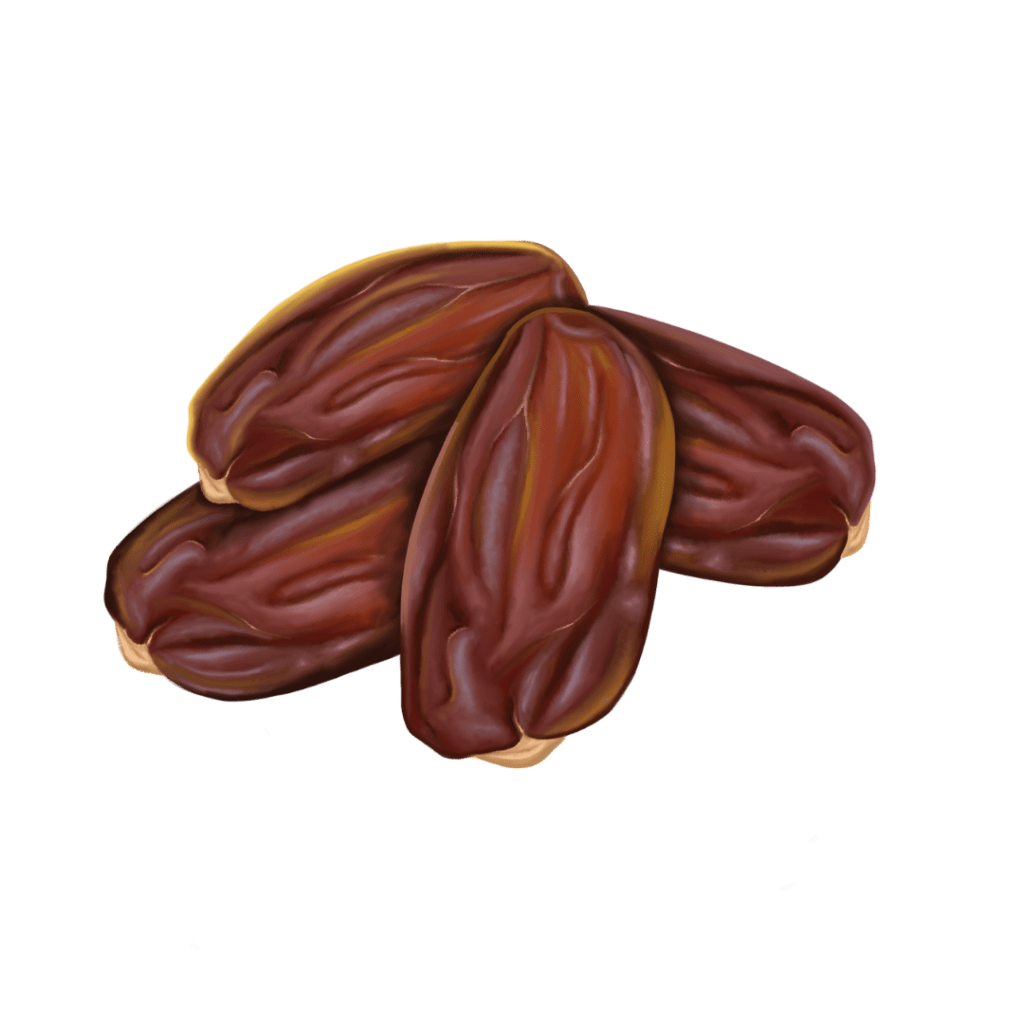
Dried fruits
Date, prune, fig, raisin

Floral
Rose and violet petals

Others
Musky often slightly sweet, dark chocolate, liquorice, coffee, balsamic, dried tobacco
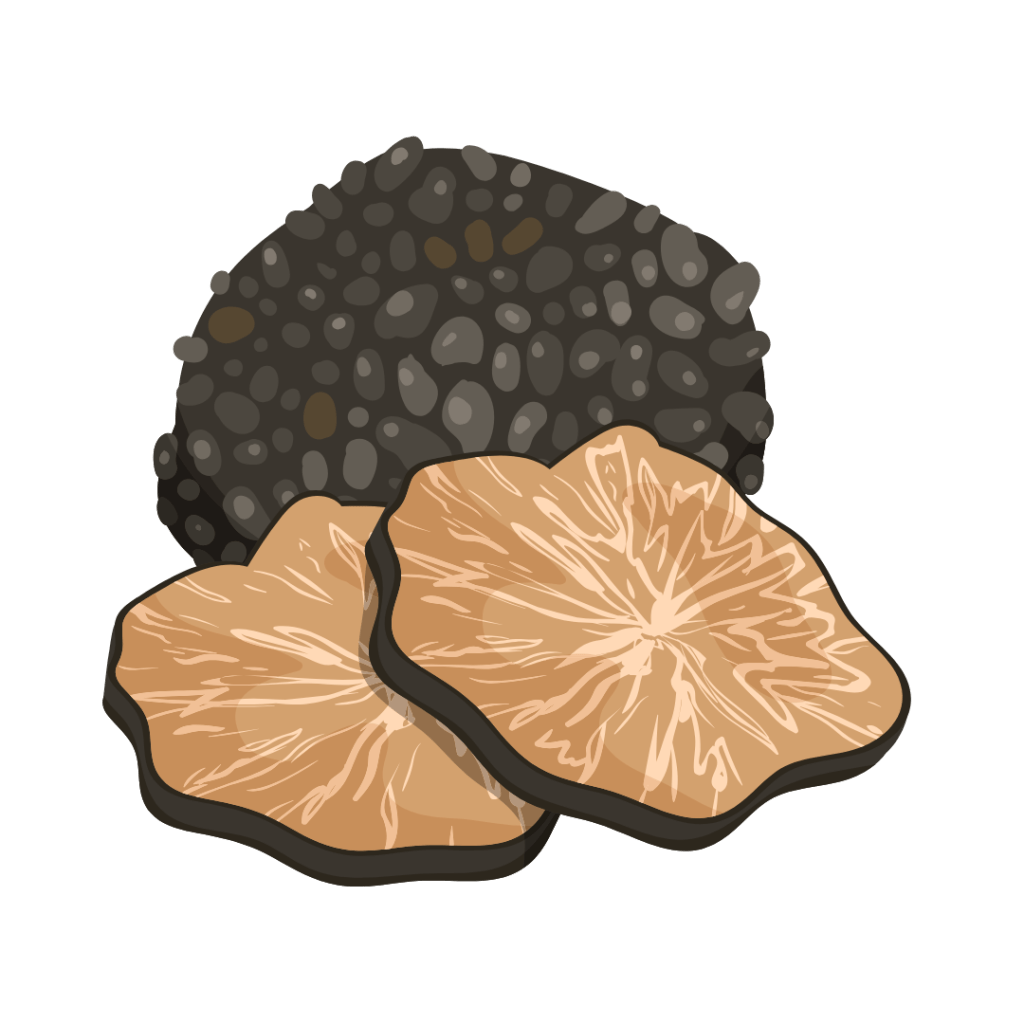
Vegetal
Truffle, dried autumn leaves, tobacco leaves
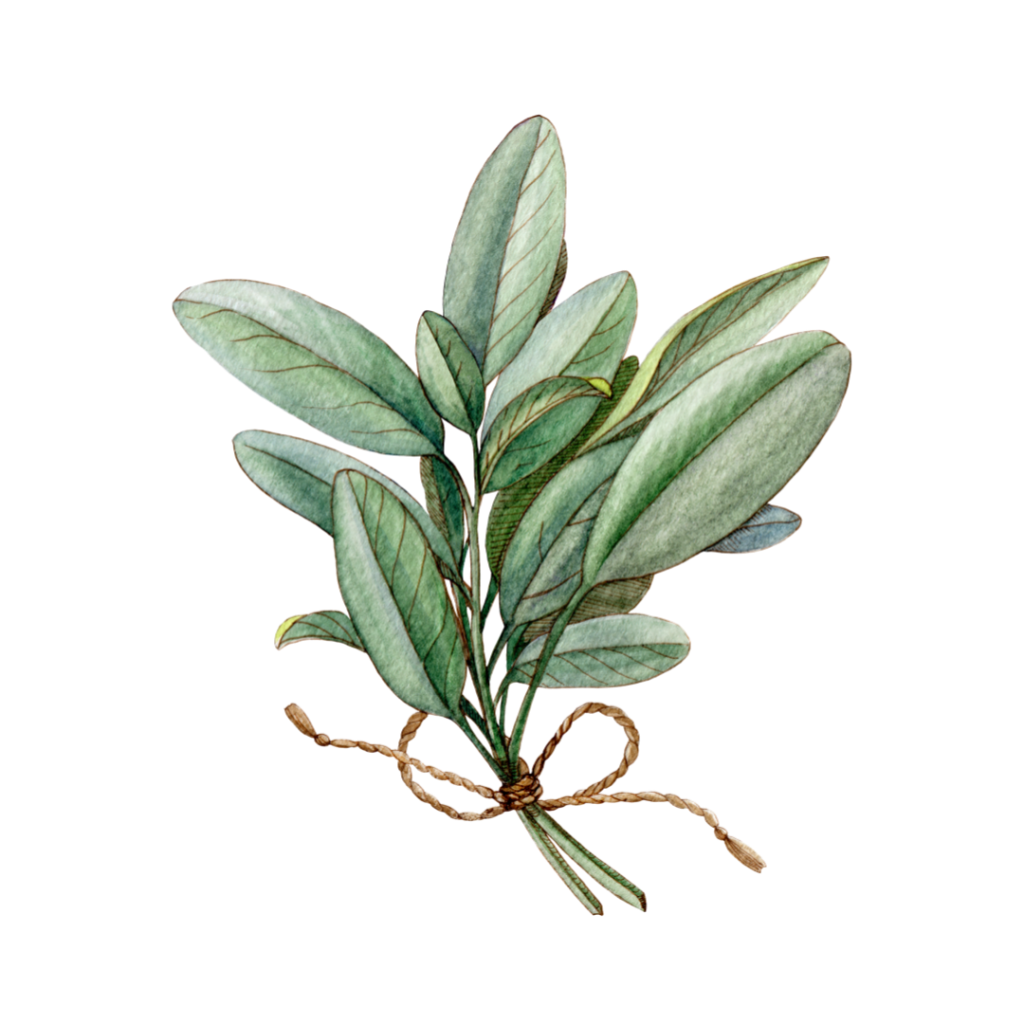
Herbal
Sage, dill, lavender

Spice
Vanilla, all spice, cinnamon

Tea
Black tea (e.g. Ceylon or Assam)

Organic
Dried forest floor

Oak
Different sizes with barrique (225l) and/or larger casks (35-65 hl)
Used and new oak
Slavonian and French oak are most common with some producers using American oak too.

Sweetness
Dry to off-dry

Acidity
Medium to medium plus

Alcohol
High 14.5% -18% ABV

Body
Full bodied

Stain
Heavy stains

Tannin
Medium – to medium

Finish
Medium + to long

Complexity
Medium plus to high
Sediment
Some have

Comparison to others
Cabernet Sauvignon from Napa Valley
- Can have a similar flavour profile yet without the ripeness level (overripe to jammy)
- Alcohol level not as high
- The rim variation is usually less orange/brown
- Acidity level is generally higher with a drier taste

What makes it unique
- Potent, rich and heady perfume
- Full body, high alcohol and moderate acidity levels
- The overripeness of fruit paired with a dried and/or slightly jammy note with a pronounced and prominent alcohol level
- Finish commonly reveals residual sugar and it almost always has a brown/brick rim variation


Legal requirements
Appassimento is the process of partial dehydration of (whole bunch) 100% healthy grapes over a set period of time. The aim is to loose around 1/3 of their original volume, over a minimum of 60 days by law. Pressing can now legally take place as early as the 1st of December.
Maximum residual sugar content: 12 g/l for an Amarone with alcohol content of 14%. For every 0.10% of alcohol content increase above 14%, and up to 16% of alcohol, it is allowed an increase of 0.1 g/l of sugar. Above 16% of alcohol content, it is allowed an additional 0.15 g/l of residual sugar for each 0.10% of increase in alcohol (Valpolicella, 2021).

Disclaimer
The purpose of this “how to spot” series is to make blind tasting as accessible as possible by establishing a “baseline”, therefore examples and content are based on what is considered to be the most “classic”.
There is a great variety of different Amarone della Valpolicella produced and there can be huge differences. Therefore, this is not an implication of all Amarone della Valpolicella are the same.

Stefan Neumann MS
Austrian born, London based Master Sommelier – I am passionate about wine and a strong believer that wine should connect people. Hence I have made it my mission to share my wine knowledge and experience with like-minded individuals who would like to be part of this journey.
References:
Harding, J., Robinson, J. and Thomas, T.Q. (2023) The Oxford Companion to Wine. Oxford: Oxford University Press.
Valpolicella. (2021). [online] Consorzio Tutela Vini Valpolicella, San Pietro in Cariano: Consorzio Tutela Vini Valpolicella, p.18. Available at: https://www.consorziovalpolicella.it/ [Accessed 5 Aug. 2025].
- How to identify Amarone della Valpolicella from Veneto in a blind wine tasting?
- How to identify Sauvignon Blanc from Loire Valley in a blind wine tasting?
- How to identify Marsanne & Roussanne from the Northern Rhône in a blind wine tasting?
- How to identify Viognier from Northern Rhône in a blind wine tasting?
- How to identify Riesling from Alsace in a blind wine tasting?